
Multiple sources indicate that after years of research and development and numerous rumors, Apple’s first foldable iPhone is expected to be released next year.
According to leaks, this new device, reportedly named “iPhone Fold,” will boast five innovative features:


Dual-Screen Design: When unfolded, it will feature an approximately 7.8-inch inner display, comparable in size to an early iPad mini. When folded, a roughly 5.5-inch outer screen will be accessible, similar to the discontinued iPhone mini. This dual-screen approach aims to offer the versatility of a larger tablet experience while retaining the portability of a standard smartphone.
Crease-Free Hinge: Adopting a “book-style folding” design, the device is expected to largely eliminate the visible crease on the screen, a common concern with current foldable phones. The phone’s thickness is estimated to be between 9-9.5mm when folded and a remarkably slim 4.5-4.8mm when unfolded, potentially making it thinner than the speculated iPhone 17 Air. This sophisticated hinge mechanism is crucial for durability and user experience.

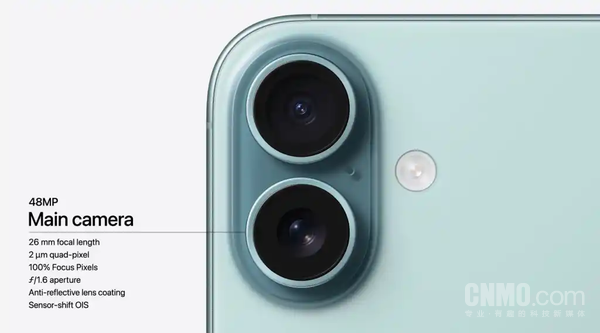
Quad-Camera System: The device is rumored to include a quad-camera setup, featuring two 48MP rear lenses (specific configurations yet to be confirmed). It is also expected to have a front-facing camera for both the folded and unfolded states, possibly a 24MP lens integrated via a punch-hole cutout. This camera versatility is in line with Apple’s commitment to high-quality mobile photography.
Touch ID Replaces Face ID: Due to space constraints, it’s anticipated that the power button will integrate a Touch ID fingerprint sensor, rather than featuring Face ID. This mirrors the approach taken by some large-screen foldable phones in the market, prioritizing a more compact integration of biometric security.

Titanium Body: The hinge and exterior casing are reportedly slated to be constructed from titanium, a premium material known for its strength and lightness. This is notable, especially if the upcoming iPhone 17 Pro series potentially moves away from titanium. The use of titanium would align with Apple’s strategy of employing high-quality materials in its flagship products.
Analysts suggest that the iPhone Fold has the potential to significantly propel foldable devices into the mainstream market. However, key challenges, particularly regarding software optimization such as seamless split-screen multitasking and app compatibility on the larger foldable display, will be crucial for its overall success and user adoption.
