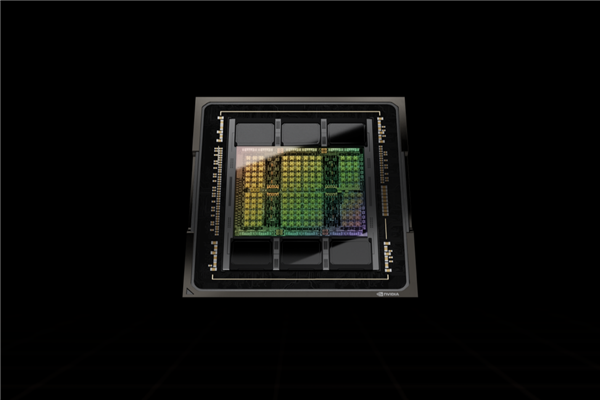
According to CCTV News on July 31st, NVIDIA’s computing chips have recently been reported to have serious security vulnerabilities. This follows calls from US senators for advanced chips exported from the United States to be equipped with “tracking and locating” capabilities. Experts in the US artificial intelligence field have indicated that NVIDIA’s technology for “tracking and locating” and “remote shutdown” of its computing chips is already mature.
In order to safeguard the network security and data security of Chinese users, and in accordance with the provisions of the Cybersecurity Law, the Data Security Law, and the Personal Information Protection Law, the Cyberspace Administration of China (CAC) summoned NVIDIA for a meeting on July 31, 2025. During this meeting, NVIDIA was required to explain the security risks associated with backdoors in its H20 computing chips sold in China and to submit relevant supporting documentation.

NVIDIA CEO Jensen Huang had previously disclosed during his visit to China that the United States had approved the sale of the downgraded H20 chip to China, and that sales to the Chinese market would commence. He expressed his excitement and happiness regarding the export of the H20 chip, describing it as “very, very good news.”
Reports from July 15th indicate that US Treasury Secretary Yellen, speaking on a television program about NVIDIA’s authorized export of H20 chips, stated that China had already developed chips with performance comparable to the H20, thus posing no issue with NVIDIA selling the H20 chip. This statement suggests a strategic recalibration by the US government, potentially acknowledging China’s indigenous chip development capabilities, which might influence its export control policies. However, it is important to note that the H20 was initially designed specifically for the Chinese market under US export restrictions, following the US government’s decision in April of this year to prohibit NVIDIA from selling its H20 chips to China. This pivot indicates a complex interplay between geopolitical considerations, technological competition, and market access.