
According to Omdia, a market research firm, the global smartphone market shipments in the third quarter saw a year-on-year increase of 3%, indicating a return to growth momentum.
Samsung secured the top position globally for the third consecutive quarter, holding a 19% market share. This achievement was driven by the sustained popularity of its Galaxy A series and the upgrades to its seventh-generation foldable phone line.

Apple’s iPhone shipments experienced a 4% year-on-year increase, marking its strongest third quarter performance historically. With an 18% market share, this growth was significantly boosted by early demand for the iPhone 17 series. The successful early launch strategy for the iPhone 17 lineup appears to have effectively captured consumer interest ahead of typical release cycles, a tactical move that has paid dividends for Apple in this quarter.

Omdia specifically highlighted the impressive performance of the iPhone 17 series. The standard iPhone 17 model, in particular, exceeded market expectations by upgrading its storage configuration while maintaining its original price point. This strategy of offering enhanced value without a price increase is a strong competitive play in the current market. Furthermore, the newly designed iPhone 17 Pro series continued to be highly sought after by consumers worldwide, indicating strong brand loyalty and appeal for Apple’s premium offerings.
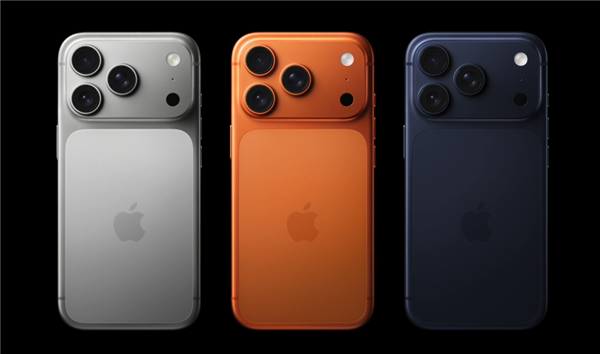

Although the iPhone Air’s shipment volume remains relatively limited, its robust marketing presence and its role as a key technological experimentation platform for Apple position it strategically. The iPhone Air may serve as a proving ground for future form factor innovations and new user experiences, contributing to Apple’s long-term product development roadmap.
In terms of other major players, Xiaomi maintained a stable market share of 14% in the third quarter. Transsion and Vivo each captured 9% of the market, rounding out the top five manufacturers for the quarter. This indicates a competitive landscape where established brands are consolidating their positions while newer entrants continue to carve out significant market segments.

