According to reports from Kuai Technology on October 26th, Microsoft officially ended support for Windows 10 on October 14th. Prior to this, Microsoft had been actively encouraging users to upgrade to Windows 11. However, the situation appears to have not entirely unfolded as Microsoft envisioned.
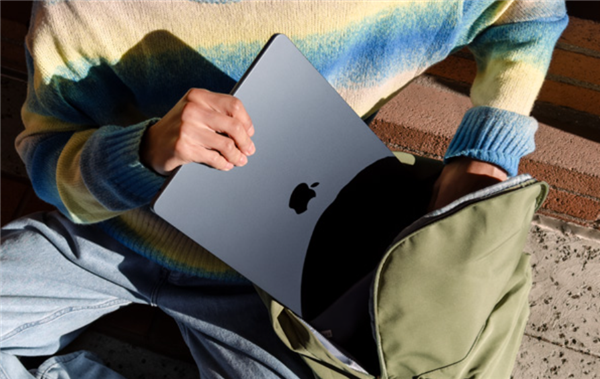
While some Windows PC manufacturers have seen an increase in shipments, a significant beneficiary, according to data from Counterpoint Research, has been Apple.
The global PC market experienced a year-on-year growth of 8.1% in the third quarter of 2025. This growth was primarily driven by two factors: the need for users to upgrade their hardware to be compatible with Windows 11, and companies preemptively building inventory to hedge against potential risks from high U.S. import tariffs.

Among all PC manufacturers, Lenovo emerged as the largest gainer, with a remarkable 17.4% year-on-year increase in shipments. The most surprising second-place contender was Apple, which saw a substantial 14.9% surge in Mac shipments during the quarter, a growth rate significantly higher than the market average.
Other brands like ASUS (+14%) and HP (+10%) also demonstrated healthy growth. However, Dell bucked the trend, experiencing a 0.9% decrease in shipments.
The robust growth in Apple Mac sales indicates that a considerable number of users, faced with the end of Windows 10 support, have not opted for another Windows laptop. Instead, they have turned to purchasing Macs and MacBooks.
One contributing factor to this shift is the hardware limitations for Windows 11. Many devices that might otherwise seem capable of running Windows 11 are unable to do so due to the absence of TPM 2.0. This has led some users to migrate to the less restrictive Apple ecosystem.