
The retirement plans of Apple CEO Tim Cook are fueling internal competition for succession, though the ultimate choice may hinge on the timing of his departure.
The former Chief Operating Officer, Jeff Williams, who was once a leading contender, has recently announced his retirement.
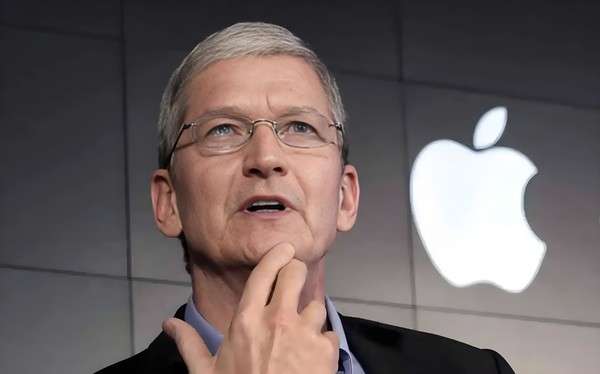

It is understood that Apple generally promotes CEOs from within its ranks. This preference stems from the scarcity of external candidates who can effectively steer a multi-trillion dollar enterprise and the potential for outsiders to disrupt the company’s established culture in an effort to leave their personal mark. Conversely, many current executives, with their track record of contributions, emerge as strong contenders. Industry analysis suggests that Apple has likely already identified its successor, but three leading candidates have currently surfaced.
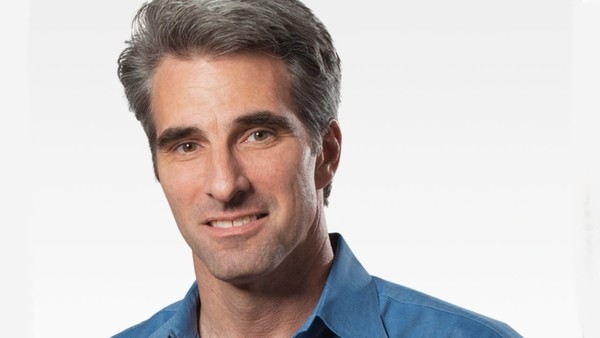
Craig Federighi, the Senior Vice President of Software Engineering, is responsible for iOS and macOS and is a key figure in Apple’s artificial intelligence initiatives. At 56 years old, he would be the frontrunner if Cook were to step down immediately. However, if Cook retires within the next decade as stated in a 2021 declaration, Federighi might be over sixty by then, potentially leaving room for younger candidates. While his age brings extensive experience, it also shortens the timeline for the next generation of leadership.
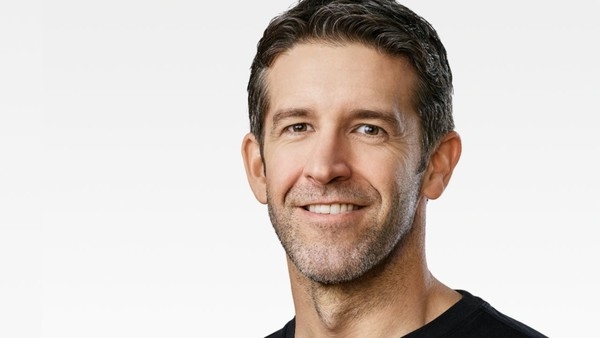
John Ternus, the Senior Vice President of Hardware Engineering, has overseen the AirPods, iPad series, and the transition from Intel to Apple Silicon. At 50 years old, he is the youngest of the three leading candidates and recently took charge of Apple’s robotics team. His leadership in hardware development, a cornerstone of Apple’s product success, positions him as a strong contender for a role that requires deep product understanding and execution capability.
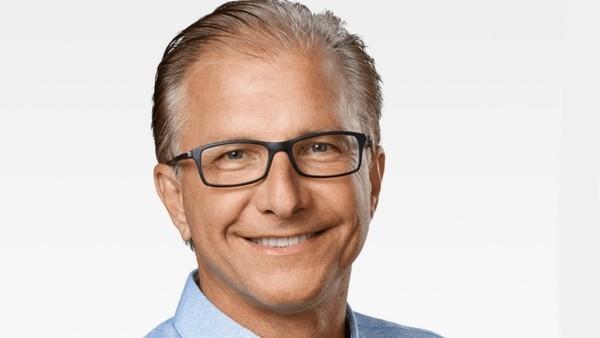
Greg Joswiak, the Senior Vice President of Worldwide Marketing, is 61 years old and has long been the face of iPhone Pro series launches. His marketing background presents both advantages and disadvantages; while he doesn’t directly oversee software or hardware in the same vein as Federighi or Ternus, he possesses a broader perspective on Apple’s overall business and a history of collaborating with developers to support macOS. His deep understanding of how to position and market Apple’s products to consumers globally is a critical asset.
Additionally, other potential candidates include:
Sabih Khan, 59, who succeeded Williams as Chief Operating Officer. Khan joined Apple in 1995, and his role requires him to be ready to step in as an interim leader, much like Cook did when taking over from Steve Jobs.
Eddy Cue, 60, who has long led Apple’s Services division.
Deirdre O’Brien, approximately 59, Senior Vice President of Retail and People. She manages all of Apple’s retail stores. Despite a less favorable reputation due to her stance against unionization, her 35 years at the company exemplify Apple’s tradition of internal promotion, highlighting a commitment to individuals who have grown with and understand the company’s culture.
Apple clearly favors promoting executives from within, given the company’s immense scale and complex operations. Any new CEO would need a rapid learning curve and could not afford a slow transition. Even with a phased retirement for Cook, the successor will face significant challenges in navigating and leading this technology giant.
