
On October 18th, according to a report from the official Weibo account of National Emergency Broadcasting, two men in Longjiang County, Qiqihar City, Heilongjiang Province, were rushed to the hospital after consuming “suan tangzi” (fermented corn noodles), with one unfortunately passing away. This incident has garnered significant public attention.
The primary culprit behind this tragedy is not a rare chemical substance, but a potent toxin – bongkrekic acid, which can be found lurking in common household food items. Bongkrekic acid is known for its high toxicity, insidious nature, and its potential to cause severe food poisoning.

“Suan tangzi” is a type of coarse, noodle-like fermented corn product, a common staple in Northeast China. It has a unique tangy flavor derived from the fermentation process. The preparation typically involves soaking and naturally fermenting corn flour or crushed corn to achieve its characteristic sourness. This fermentation process, however, can be susceptible to contamination by the pathogenic bacterium *Pandoraea pnomenusa* (formerly *Burkholderia gladioli* pathovar *rickettsiae*), which produces the toxic bongkrekic acid.

Experts explain that the natural fermentation of corn for “suan tangzi” can easily lead to contamination by *Pandoraea pnomenusa*, which in turn produces the highly toxic bongkrekic acid. This toxin is extremely potent; as little as 1 milligram can be fatal, with a mortality rate exceeding 40%. Unfortunately, there is no specific antidote for bongkrekic acid poisoning, and treatment is purely symptomatic. The toxin’s resistance to heat means that cooking, even under high temperature and pressure, does not effectively neutralize it. Furthermore, contaminated food often shows no discernible change in taste or appearance, making early detection incredibly difficult and exacerbating the severity of poisoning.

Bongkrekic acid is most likely to form in foods that have undergone prolonged fermentation or soaking and are then stored under warm, humid conditions. Foods with a higher risk include:
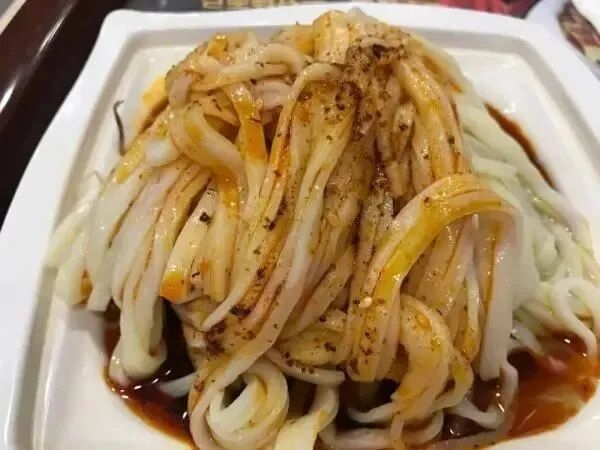
Fermented grain products, such as fermented corn flour, ciba (glutinous rice cakes), vinegar-flavored jelly noodles, kwetiau (rice noodles), rice noodles, and liangpi (cold skin noodles).
Mushrooms that have been rehydrated for too long, including white fungus (tremella) and black fungus (wood ear mushroom).
Root vegetable products, such as potato starch noodles, sweet potato noodles, and yam starch.
The onset of symptoms for bongkrekic acid poisoning typically occurs within half an hour to 10 hours after ingestion, though in some cases, symptoms may appear within one to two days. Common clinical manifestations include nausea, vomiting, diarrhea, and abdominal pain. More severe cases can lead to dizziness, coma, altered consciousness, shock, and ultimately, death.
If you suspect bongkrekic acid poisoning, it is crucial to take immediate action:
- Cease consumption of the suspected food immediately and preserve any remaining food samples.
- Induce vomiting as soon as possible to expel stomach contents, thereby minimizing toxin absorption and subsequent harm to the body.
- Seek prompt medical attention at a hospital, providing details about the consumed food and the time of ingestion to the medical professionals.
