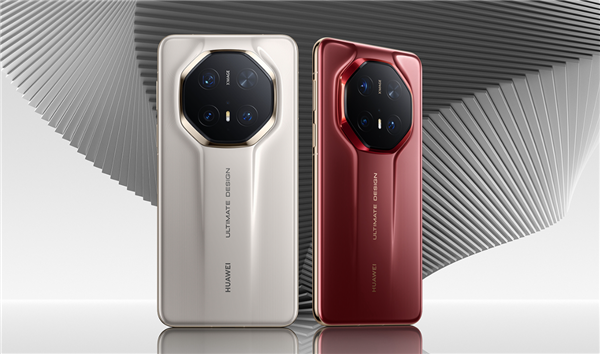
According to a leak from blogger Digital Chat Station on October 25th, official HarmonyOS development documentation suggests that the entire Huawei Mate 80 series will support 3D facial recognition.
However, this information is based on documentation and may not fully reflect the final product. Specific configurations are still pending further confirmation.

Multiple insider reports indicate that the Huawei Mate 80 series is slated for a November release, with four models expected: the Mate 80, Mate 80 Pro, Mate 80 Pro+, and the Mate 80 RS Ultimate Master.
Historically, Huawei’s Mate series has reserved 3D facial recognition for Pro and higher-end models. The standard version, lacking the necessary components and featuring only a single punch-hole front camera, has relied on a more basic 2D facial recognition system.
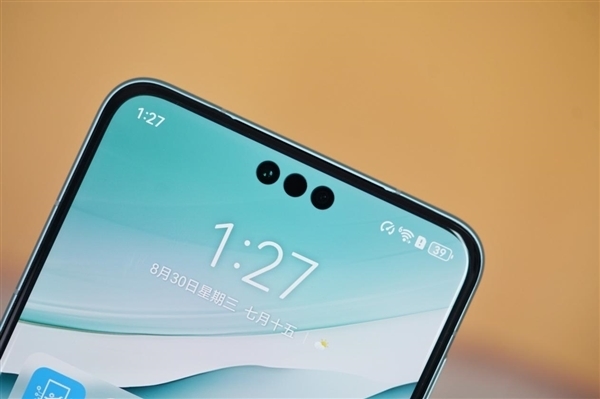

In terms of design, engineering prototypes of the Huawei Mate 80 series showcase a distinctive centered, large circular rear camera module, maintaining the signature design language of the Huawei Mate family. This design aims to provide a recognizable and premium aesthetic.
The upper left of the lens area is expected to house a rectangular dual-tone flash, while the upper right may feature a symmetrically designed strip sensor. Below the central axis, a multispectral lens is anticipated. This refined camera housing arrangement suggests a focus on both functionality and visual appeal.
Regarding the highly anticipated chipset, the Huawei Mate 80 series is expected to debut the Kirin 9030. This new processor is rumored to incorporate architectural optimizations for enhanced performance and will likely come pre-installed with the new HarmonyOS 6 system, promising further improvements in performance and overall user experience. The adoption of the Kirin 9030 signifies Huawei’s continued commitment to its in-house chip development, a crucial factor for its long-term competitive edge.
Specifically, the top-tier Huawei Mate 80 RS Ultimate Master is tipped to feature a 6.9-inch dual-layer OLED display. Such displays typically offer advantages like higher brightness, reduced power consumption, and extended screen lifespan, contributing to a superior visual experience.
Furthermore, the Huawei Mate 80 series is highly likely to support eSIM technology. The inclusion of eSIM would offer users greater flexibility in managing their mobile plans and potentially streamline the device activation process.