
In a blog post celebrating N7 Day (November 7th), BioWare announced that the development team is fully committed to their new project. The statement read: “There is still much of the universe to explore, many features to build, and many stories to tell. We are incredibly excited about what we are working on, and when everything is ready, it will be a feast for the eyes.”
Although producer Mike Gamble provided no promotional materials to corroborate his blog post, this is the most recent evidence of the Mass Effect franchise’s continued existence. Analysts had previously speculated that EA might divest itself of underperforming assets, including the struggling BioWare studio, as part of its privatization efforts. This speculation was amplified by recent industry trends.
It’s possible that BioWare’s strongest asset lies not in games, but in television. EA has long harbored aspirations in Hollywood, with a history of involvement dating back to Spielberg’s Medal of Honor. Witnessing competitors like Activision grant Paramount the rights to adapt their Call of Duty franchise, EA appears poised to make a significant move: a Mass Effect television series.
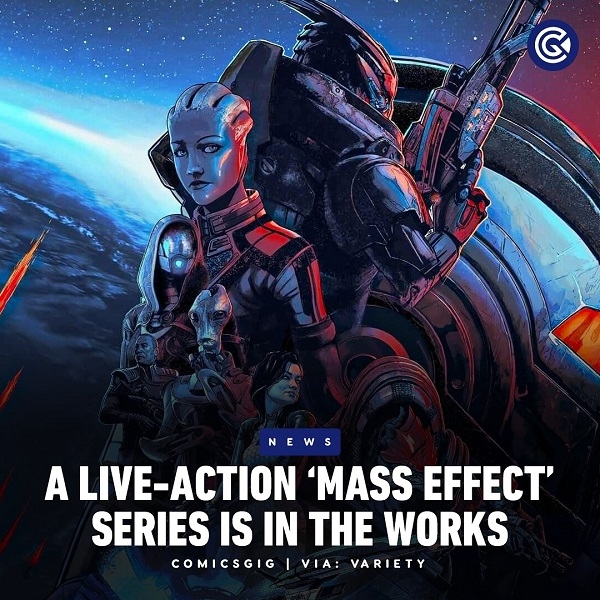

Indeed, Gamble’s post confirmed that BioWare is collaborating with Amazon to develop a Mass Effect series. This new installment will feature an original storyline set after the original trilogy, as Commander Shepard’s narrative is reserved exclusively for the players’ experience. This approach offers a fresh perspective while respecting the established lore.

Considering the success of Amazon’s Fallout series, which also adopted a new narrative and was met with critical acclaim, Gamble’s statement seems well-founded. This precedent suggests that an original story for Mass Effect could resonate well with both existing fans and new audiences.
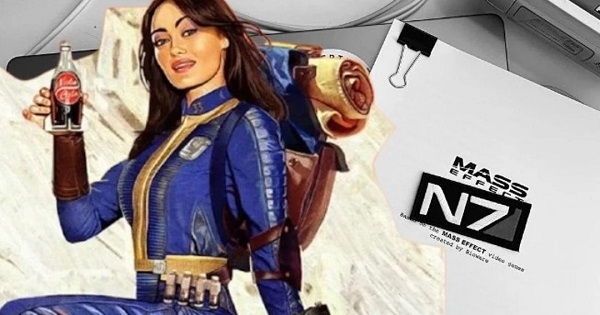
The potential synergy between the new television series and any upcoming game installments could offer BioWare a path to a successful resurgence, allowing the studio to receive well-deserved recognition and praise.

Separately, there’s an emerging perspective that as GTA 6, delayed multiple times, finally arrives, it may find itself already outdated.
The game, which has been in development for thirteen years, might present gameplay and content that no longer feel fresh to players. Audiences are unlikely to remain stagnant, waiting solely for this one title; their experiences and expectations have evolved significantly.
This issue was arguably already apparent when GTA 5 succeeded GTA 4, with the former essentially being a larger version of the latter. However, at that time, Moore’s Law was still in effect, and people still held expectations for technological advancements. The current gaming landscape, however, finds itself in a period of stagnation, with open-world designs becoming ubiquitous. Will GTA 6’s gameplay truly differ from GTA 5? It’s already predictable how GTA Online will evolve – likely becoming another Fortnite. This saturation of similar game structures raises concerns about whether GTA 6 can innovate sufficiently to justify its long development cycle and the immense anticipation surrounding it.
