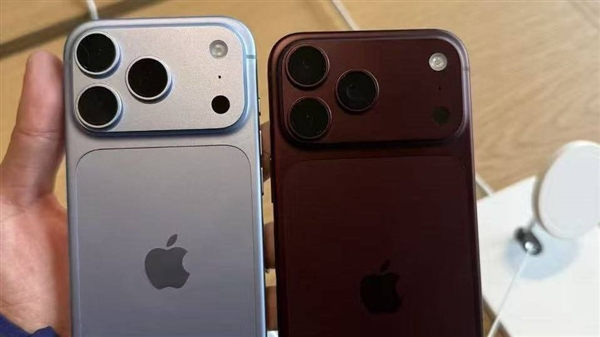
According to media reports on August 4th, Apple is currently testing its self-developed camera sensor, with a key highlight being the integration of LOFIC (Lateral Overflow Integration Capacitor) technology. This technology is expected to be implemented in the future iPhone 18 series at the earliest, with the upcoming iPhone 17 series not slated to feature it. Once the technology matures, it is also anticipated for use in the next generation of Vision Pro.
iPhones have consistently led the field of mobile photography, with Apple frequently showcasing its imaging prowess through advertisements filmed entirely on iPhones. However, the core camera sensors have historically relied on Sony’s supply. This move towards self-developed CMOS sensors is seen as a significant step for Apple in advancing its “de-Sony-ization” strategy for key components, aiming to reduce costs and improve efficiency.
The core innovation of LOFIC technology lies in its ability to enable each pixel on a CMOS sensor to intelligently regulate its light capture and storage capabilities based on the varying brightness of the scene. This results in exceptional performance in high-contrast scenarios, such as shooting against the light or transitioning from dark to bright areas. It allows for the simultaneous preservation of details in highlights and nuances in shadows, achieving an exceptionally high dynamic range.
Reports indicate that sensors equipped with LOFIC can achieve a dynamic range of up to 20 stops, far exceeding the 12-14 stops of current iPhones and even rivaling some professional cinema cameras. This advancement is poised to significantly enhance the photographic capabilities of Apple’s devices, particularly in challenging lighting conditions.
LOFIC technology is rapidly becoming the next competitive battleground for high-end mobile imaging. Domestic manufacturers such as Honor (with its Magic6 Ultimate) and Huawei (with its Pura 80 Ultra) have already been early adopters, and more smartphones featuring this technology are expected to emerge in the future. Apple’s potential integration of LOFIC positions it to maintain its leadership in mobile imaging and respond to the competitive landscape by offering users superior image quality.