
When you work out at the gym, do you carry an alcohol spray and disinfect equipment before each use? Most people’s answer would likely be: “Do we really need to be that cautious?”
If you haven’t formed this habit yet, it’s strongly recommended you start today. After all, gyms, with their constant flow of people, can be surprisingly unhygienic.
How “Dirty” Are Gyms, Really?
Gym environments harbor various sources of infection, with the most common culprits including equipment surfaces, locker rooms and shower areas, towels, and yoga mats. These locations are prime breeding grounds for numerous microorganisms.
Among these, the surfaces of exercise equipment are the most easily overlooked sources of contagion.
Consider how many hands touch gym equipment like dumbbells, treadmill handles, and benches daily. Beyond the microbes left by previous users, sweat secreted during workouts and skin cells shed through friction become sustenance for an even greater microbial proliferation. With every touch, these microorganisms can pose a potential health risk.
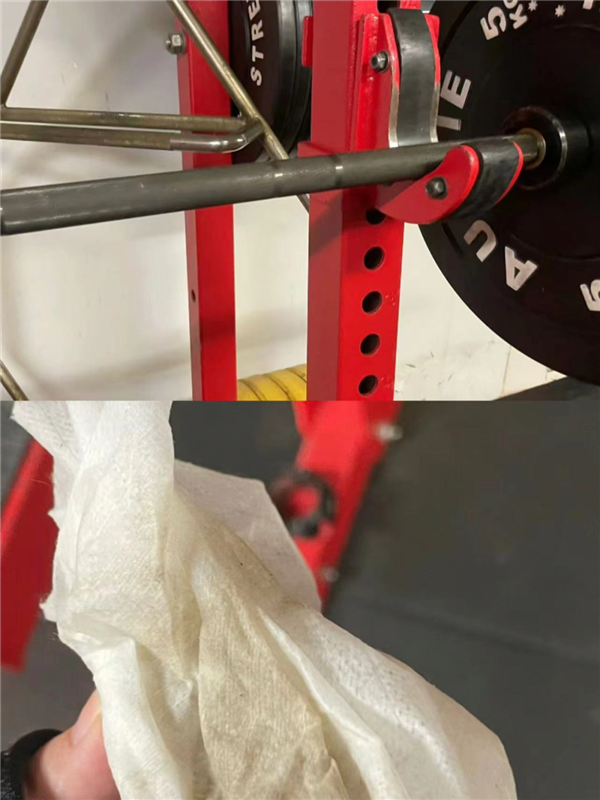
Image source: Social media platform
As you exert yourself towards your fitness goals on yoga mats and gym machines, bacteria are quietly making their way onto your skin through contact with the equipment.
1. Skin Infections
Staphylococcus aureus is a common opportunistic pathogen found in gym environments.
This bacterium resides on the skin of about 20% of healthy adults and can be transferred to equipment surfaces, shared towels, and even floors through contact. While it typically poses no threat to intact skin, it can cause infections like blisters, pustules, and redness if it enters through breaks in the skin, or if present on existing skin conditions like rashes or acne.
2. Fungal Infections
Gyms can also be breeding grounds for other pathogens such as Streptococcus pyogenes, Pseudomonas aeruginosa, Herpes simplex virus, dermatophytes, and HPV. Contact with these can lead to conditions like impetigo, ear infections, herpes, and athlete’s foot.
Dermatophytes, in particular, thrive in the humid, shared spaces of gyms, including locker rooms, shower areas, swimming pools, and hot tubs. These can easily spread, and you might be susceptible when showering after a workout. Besides athlete’s foot, certain fungal infections can lead to the inconvenient condition known as jock itch.
3. HPV Infection
Social media abounds with personal accounts:
“Just a few days at the gym, and I contracted HPV.”
“Wore a sleeveless top to the gym, and developed filiform warts on my arm.”
“After showering at the gym, I got a wart on the sole of my foot.”
Indeed, exercising barefoot in an unhygienic gym can lead to HPV infection. The virus may reside on gym floors, and if you walk barefoot, minor cuts, abrasions, or compromised skin on your feet can become entry points for HPV, leading to plantar warts.
Plantar warts are usually minor, but when they worsen, they can cause sharp pain when standing or walking due to pressure on the foot.
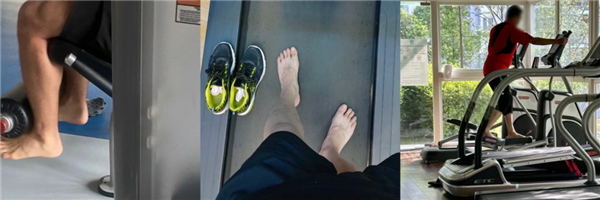
Image source: Social media platform
It’s important to note that genital HPV is unlikely to be contracted at a gym; the primary concern is the type of HPV that infects the skin. These are generally low-risk types and do not pose a significant threat to health, being relatively easy to treat. HPV encompasses over 100 types, some causing skin warts and others leading to genital lesions or even cancer. HPV can spread through skin-to-skin contact or sexual activity.
Beyond skin issues, experiencing diarrhea or catching a cold after a gym session is also possible. Escherichia coli, a familiar bacterium, is also a common inhabitant of gym environments.
In gym restrooms, locker room floors, and similar areas, E. coli can be present. If hygiene is not maintained, touching contaminated surfaces and then touching your mouth, nose, or food without washing your hands can lead to intestinal infections, resulting in symptoms like diarrhea and abdominal pain.
Furthermore, gyms typically have enclosed spaces with high foot traffic, making the air quality potentially poorer than outdoor environments. During flu season, gyms can become significant hotspots for virus transmission, with infected individuals spreading viruses through respiratory droplets.
Should We Avoid Gyms Entirely?
While gym equipment, floors, and even the air can harbor pathogens that pose health risks, this doesn’t mean you should stop going to the gym or using public exercise equipment.
Firstly, our skin is a robust barrier against external bacteria, providing a normal defense against microorganisms when intact. Secondly, the health and immunity benefits of exercise generally outweigh the risks of bacterial infection.
However, for certain individuals, such as those with open skin injuries, compromised immune systems, or those who are temporarily ill, exercising on public equipment may increase their risk of bacterial infection and requires greater caution.
For the general population, cultivating health awareness and taking personal protection measures can effectively prevent most infections.
Wellness encompasses not just physical strength but also attention to personal hygiene. Bringing this knowledge with you to the gym will ensure your workouts are both effective and safe:
Tips:
1. Wipe down and disinfect equipment before and after use.
2. Wash your hands frequently before and after exercising.
3. Avoid walking barefoot, especially in locker rooms and shower areas.
4. Use your own yoga mat, towel, and slippers where possible.
5. Ensure any wounds are properly bandaged before exercising.
6. Avoid contact with others’ sweat while using equipment.
7. Shower and change clothes promptly after your workout.

References
[1] Andrade, A., Dominski, F. H., Pereira, M. L., de Liz, C. M., & Buonanno, G. (2018). Infection risk in gyms during physical exercise. Environmental Science and Pollution Research, 25, 19675-19686.
[2] Weissfeld, A. S. (2015). Infections at the Gym. Clinical Microbiology Newsletter, 37(11), 87-90.
[3] Zhang, M., Ma, Y., Xu, H., Wang, M., & Li, L. (2023). Surfaces of gymnastic equipment as reservoirs of microbial pathogens with potential for transmission of bacterial infection and antimicrobial resistance. Frontiers in microbiology, 14, 1182594.
[4] Cohen, P. R. (2008). The skin in the gym: a comprehensive review of the cutaneous manifestations of community-acquired methicillin-resistant Staphylococcus aureus infection in athletes. Clinics in dermatology, 26(1), 16-26.
Planning and Production
Author丨Xinshi Science Popularization Studio
Reviewer丨Zhang Yu, Researcher/Doctor, Chinese Center for Disease Control and Prevention, National Health Science Popularization Expert
Planner丨Yinuo
Editor丨Yinuo
Proofreader丨Xulai, Linlin