As anticipated, Tesla’s profitability has seen a dip. The company recently released its third-quarter financial report for the year, and the summary is straightforward: revenue increased, but profits declined.
In the last quarter, Tesla’s revenue reached $28.1 billion, a 12% year-on-year increase, surpassing the analyst expectation of $26.37 billion. However, its net profit was $1.37 billion, marking a significant 37% decrease compared to the previous year. This led to a nearly 5% drop in its stock price in after-hours trading.
Let’s delve into the reasons behind this performance.
Primarily, the surge in revenue was driven by the automotive segment. In the third quarter, Tesla delivered a total of 497,000 vehicles globally, a 7.4% increase year-on-year. Tesla demonstrated strong sales performance in both the Chinese and U.S. markets.
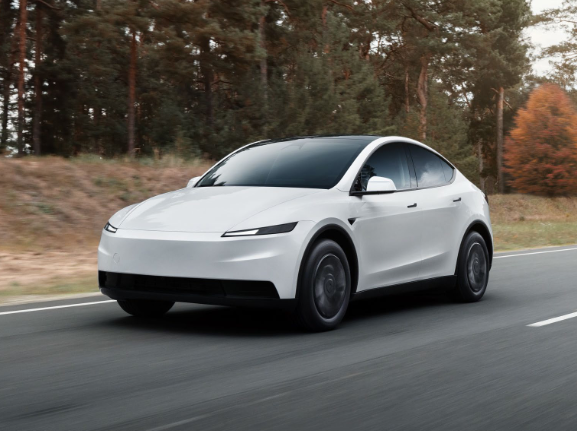
Domestically, Tesla continued its trend of high sales in China, with 169,200 vehicles delivered in the third quarter. Notably, in September alone, Model Y sales exceeded 50,000 units, and Model 3 sales surpassed 30,000 units. The newly launched Model Y L has also garnered positive market reception, with deliveries on Tesla’s official website extending to December, although specific figures have not been disclosed.

In the United States, a surge in demand was observed due to the impending expiration of the $7,500 electric vehicle tax credit. While this boosted sales, it also effectively pulled forward demand from the fourth quarter. In response to potential future market shifts, Tesla introduced a de-featured version of the Model 3/Y in the U.S. in October, the sales performance of which will be closely watched.
While Tesla’s sales in Europe have seen a slight decline, the overall global performance was buoyed by other markets. The report highlighted record deliveries in markets such as South Korea, Taiwan, Japan, and Singapore. South Korea, in particular, stood out, with Tesla selling 9,069 vehicles in September, a remarkable 572.3% year-on-year increase. This is a significant achievement considering South Koreans’ strong preference for domestic automotive brands. Tesla now ranks as the top imported car brand in South Korea and has become its third-largest global market.

Despite these positive sales figures, the decline in profitability remains a concern. Tesla’s average selling price has been on a downward trend over the past year. The automotive gross margin in the third quarter was 15.4%, a noticeable drop from 17.1% in the same period last year. Several factors contribute to this margin compression.
Beyond pricing adjustments, other elements impact costs. For instance, ongoing trade tariffs have played a role. Although Tesla has manufacturing facilities in the U.S., a significant portion of its raw materials and components are imported, increasing production costs. According to Tesla’s CFO, tariffs incurred an additional cost of over $400 million in the third quarter.

Furthermore, revenue from regulatory credits has also decreased. Tesla recorded $417 million in automotive regulatory credits in this quarter, a 44% decline year-on-year. For an all-electric vehicle manufacturer, these credits have historically represented a near-pure profit. However, the Inflation Reduction Act in the U.S. has altered the landscape for traditional automakers, potentially reducing their need to purchase carbon credits. This trend could lead to a continued decrease in Tesla’s once-stable income from this source.

Consequently, Tesla is actively seeking new avenues for growth. One such area is its energy storage business, where the company has made significant early investments, including establishing a dedicated factory in Shanghai. In the third quarter, the energy storage segment experienced a surge, with revenues rising to $3.4 billion, a 44% increase year-on-year. Its gross margin reached an impressive 31.4%, more than double that of the automotive division.

Another significant focus is artificial intelligence. Since discontinuing its lower-cost vehicle models last year, CEO Elon Musk appears to be dedicating more attention to autonomous driving and humanoid robots rather than traditional car manufacturing. These endeavors are capital-intensive. Tesla’s investment in AI and other research and development projects increased by 50% year-on-year in the third quarter, contributing to the decline in profits as earnings are reinvested.
Following the earnings release, Musk continued to steer the conversation toward AI initiatives. He reiterated projections for the potential of the Optimus robot, suggesting it could surpass the automotive business in value. The first production line for the robot is reportedly being installed, with production slated to begin by the end of 2026. Musk also expressed strong confidence in Robotaxi, announcing plans to remove safety drivers for Robotaxis in Austin and expand the service to 8-10 new cities. The production of the highly anticipated Cybercab remains on track for 2026.

These future-oriented strategies were the main focus of the discussion, with less emphasis placed on immediate improvements in vehicle sales.
In essence, Tesla’s latest financial report offered a mix of minor positive surprises offset by familiar challenges. The company’s automotive business faces diminishing storytelling potential, and a significant portion of its recent sales growth appears to have been fueled by pulling future demand forward. Nevertheless, Elon Musk’s visionary long-term plans have been a consistent theme. It remains uncertain which of these ambitious projects will materialize and when. Time will tell how these developments unfold.