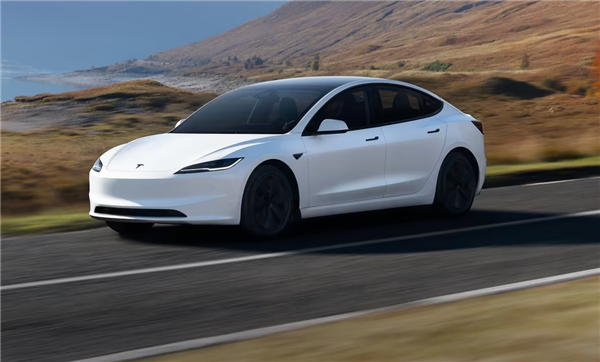
On the evening of July 24th, at the Leapmotor B01 launch event, Zhu Jiangming announced the vehicle’s range performance.
The Leapmotor B01 boasts a remarkable range of up to 650 kilometers. For most users, this translates to charging only once a week, a significant convenience for daily commuting and even occasional longer trips.

This impressive range is supported by independent media tests, where three outlets reported a range achievement rate of nearly or exceeding 90% for the B01. This high rate is a strong indicator of the vehicle’s real-world efficiency.
A key factor contributing to this exceptional range is the B01’s remarkably low drag coefficient of 0.197. This figure surpasses that of performance vehicles like the Porsche Taycan and even the Tesla Model S, highlighting Leapmotor’s advanced aerodynamic engineering.

Beyond just extending the driving range, a low drag coefficient also leads to more efficient energy usage, a quieter cabin, and a smoother ride, especially at higher speeds. These benefits collectively enhance the overall driving experience.
Consequently, the Leapmotor B01 achieves an outstanding one hundred kilometers of energy consumption at just 11.4 kWh. This low energy draw is particularly attractive in the current market, where energy efficiency directly impacts running costs.
Furthermore, the B01 features a unique 27-in-1 integrated thermal management system, a segment-first innovation. This integrated system not only saves over 30% of the vehicle’s overall layout space but also reduces thermal management components by 60% and lowers weight by 15%. These design optimizations contribute significantly to the vehicle’s energy efficiency and overall performance.
The cumulative effect of these detailed engineering advancements is a projected 10% increase in the B01’s comprehensive range.
Based on current electricity prices, the cost to drive the Leapmotor B01 is estimated to be mere cents per kilometer, making it an economically appealing option for consumers.
Adding to its appeal, the B01 also offers significantly faster charging times. Drivers can replenish the battery from 30% to 80% in just 18 minutes, minimizing downtime and maximizing convenience for longer journeys or when time is of the essence.